
Gut Health Series
Why Your Gut Wants 30 Different Plants a WeekThe benefits of diversity on your plate
Eating healthy is a good start. The newer gut science says something more surprising: the variety of plants on your plate may matter as much as the amount. Here is what the research found, how fast it works, and how to get there in a normal week.
Part One
Your gut is a garden, not a machine
Somewhere in your gut right now, trillions of microbes are working. They digest the fiber you cannot, train your immune system, make vitamins, calm inflammation, and send signals to your brain.
Here is the part most people miss. A thriving gut is not built by eating one perfect superfood over and over. It is built by feeding many different microbes many different plants. Each species has its own favorite foods, and the fibers in kale are not the fibers in lentils, oats, blueberries, or ginger. A narrow diet feeds a narrow set of microbes. A varied diet feeds a whole ecosystem.
Plant one crop in a garden and a single pest can wipe it out. Plant thirty and the garden survives almost anything. Your gut works the same way, which is why resilience, not perfection, is the real goal.
Part Two
What the research actually found
The landmark evidence comes from the American Gut Project, one of the largest citizen science studies of the microbiome ever run. One pattern stood out above every diet label.
More plant variety, more microbial variety
Gut microbiome diversity by number of different plant types eaten per week
Plant variety predicted microbiome diversity better than diet labels like vegan or vegetarian. Bars show the direction and size of the published finding rather than exact averages. Source: American Gut Project, The Microsetta Initiative at UC San Diego.
The 30 plant eaters were not simply carrying more species. Their microbes produced a richer mix of beneficial compounds, including short chain fatty acids such as butyrate, which fuels the cells lining your colon and keeps the gut barrier intact. Two bacteria tied to good health, Faecalibacterium prausnitzii and Oscillospira, showed up more often.
A second study, from Stanford Medicine, tested what happens when people change their diet on purpose. Over 10 weeks, participants eating fermented foods saw microbiome diversity climb while 19 inflammatory proteins in their blood dropped, including interleukin 6, a marker tied to type 2 diabetes and rheumatoid arthritis. Diversify what feeds your gut and inflammation across the whole body can quiet down.
Part Three
What a diverse gut does for you
A varied microbial community is a resilient one, and that resilience shows up in more places than digestion.
Benefit 01
Easier digestion
More kinds of microbes means more of the enzymes needed to break down different fibers.
Smoother regularity, less bloating over time.Benefit 02
Lower inflammation
Short chain fatty acids from fiber fermenting bacteria calm the immune system and strengthen the gut lining.
Less of the low grade inflammation behind chronic disease.Benefit 03
Stronger immunity
A large share of your immune system lives in and around the gut, and your microbes help train it.
Better response to real threats, fewer false alarms.Benefit 04
Steadier metabolism
Gut microbes influence blood sugar control, appetite signals, and how you store energy.
Higher diversity tracks with healthier metabolic markers.Benefit 05
Brighter mood
Your gut and brain stay in constant conversation through the gut brain axis.
Emerging links to mood, stress resilience, and clarity.Where it may help most
- Digestive conditions
- Irritable bowel syndrome, constipation, and inflammatory bowel disease all show an out of balance microbiome as a consistent finding.
- Metabolic conditions
- Type 2 diabetes, prediabetes, and high cholesterol, where fiber and short chain fatty acids improve how the body handles blood sugar and fats.
- Immune and inflammatory conditions
- The Stanford trial showed that food changes can lower inflammatory signals in the blood directly.
- Mood and stress
- Through the gut brain connection, though this research is younger than the rest.
- Recovery after antibiotics
- A course of antibiotics can flatten microbial diversity for months. A plant varied diet is one of the best documented ways to help it rebuild.
Part Four
How long before you notice
Faster than most people expect. Your microbiome is one of the most responsive systems in the body.
Days 2 to 4
Your microbes respond
Gut bacteria populations begin shifting within days of a real diet change. You will not feel it yet, but the ecosystem is already adjusting.
Weeks 2 to 4
Digestion settles in
As fiber fermenting species grow, many people notice better regularity and less bloating. Early gas is normal and it is the sound of new microbes getting to work. Add variety gradually and drink plenty of water.
Weeks 6 to 10
Diversity and inflammation move
In Stanford’s 10 week trial, diversity rose and 19 inflammatory proteins fell. This is the window where deeper changes become measurable, often alongside steadier energy.
Month 3 and beyond
The ecosystem stabilizes
Sustained variety builds a community that resists disruption from stress, travel, or an off week. Consistency is what turns a shift into a new normal.
Synthesized from published research including Stanford Medicine’s 10 week fermented food trial. Individual results vary with your starting diet, your health, and the microbiome you already have.
One catch worth knowing: these changes are rented, not owned. Studies show the microbiome drifts back within weeks when old eating patterns return. Consistency beats intensity every time.
Part Five
Who gains the most
Nearly everyone has room here, because nearly everyone is starting further back than they think.
The fiber gap
Average US adult intake against the recommended daily target, in grams per day
Targets are Adequate Intake values for adults 50 and under, easing to about 21 g and 30 g after 51. Bars are scaled to the 38 g target. Sources: StatPearls, Merck Manuals.
Some people stand to gain more than others: busy professionals and parents stuck in a repeat menu, anyone with sluggish digestion or blood sugar concerns, adults past midlife, when diversity naturally declines, picky eaters widening their range, and anyone rebuilding after antibiotics or illness. If you eat mostly the same things every week, you are the ideal candidate, and you will likely notice the difference sooner.
Part Six
Choosing your thirty
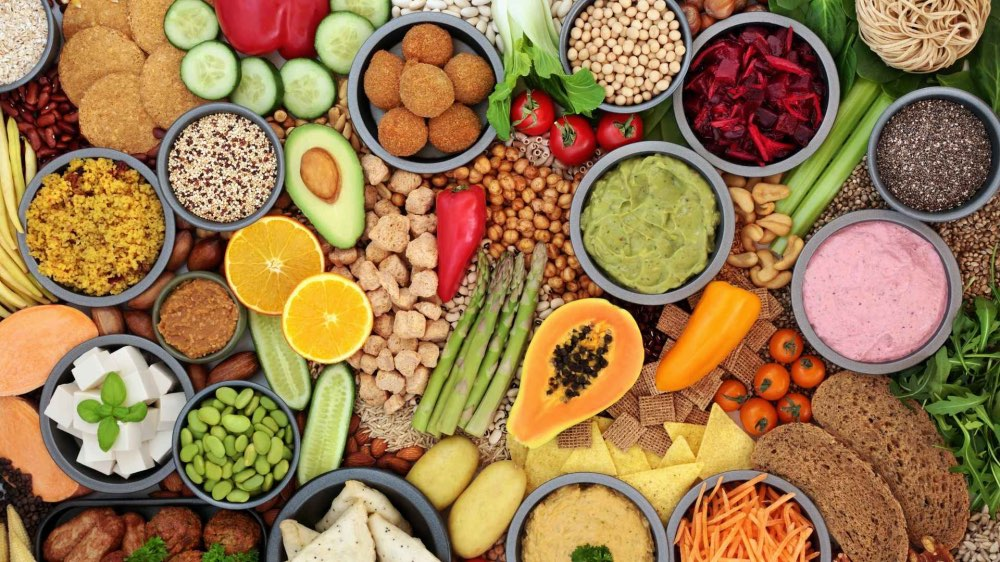
Thirty plants sounds like a project until you see what counts. Every distinct plant food is a point, including herbs, spices, coffee, and dark chocolate. You are not eating 30 salads.
What an easy 30 point week looks like
One realistic path to 30 points across the six plant categories
An example week, not a prescription. Any mix that reaches 30 works. Shading steps with the count, so darker simply means more points from that category.
Eat the rainbow
Color signals different polyphenols. Purple cabbage, orange sweet potato, and dark leafy greens each feed different microbes.
Rotate inside a category
Already buy spinach every week? Swap in arugula or chard sometimes. Same aisle, new microbial food.
Add fermented foods
Yogurt, kefir, kimchi, sauerkraut, and miso bring live microbes along with the variety.
Favor the prebiotic stars
Garlic, onions, leeks, asparagus, oats, bananas, and beans carry the fibers good bacteria thrive on.
Part Seven
What consistency looks like
Consistency is not perfection. It is a weekly rhythm that makes variety automatic instead of effortful.
Rule one
Count by the week, not the day
Thirty plants is a weekly game. A busy Tuesday of leftovers is fine when the week as a whole is varied.
Rule two
Stack variety into anchors
Build diversity into meals you already repeat. A morning smoothie with 10 plants, a lunch salad with 6, a bean and grain bowl at dinner. Three anchors carry most of a week.
Rule three
Shop for it once
One intentional trip with a list spanning all six categories sets up the whole week. Frozen produce, canned beans, and mixed nuts count fully and never go bad on you.
Rule four
Make it visible
Keep a tally on the fridge or in your notes app. Most people hover around 15 to 20 without trying, and closing the gap to 30 turns out to be fun, especially with kids.
Part Eight
About what this can and cannot do
Worth saying plainly
Diversity helps nearly everyone, but your results are yours
Most of the evidence here comes from observational research, which shows strong association rather than proof of cause. It is consistent and it points the same direction across many studies, but it is not a promise.
A 2025 trial added a useful wrinkle. Fiber improved blood sugar control only in certain people, and whether it worked depended on the microbiome they already carried. That is a real finding, and the honest reading of it is that variety is a reliable bet for gut health while the size of any specific benefit is personal.
Nothing here replaces care from your doctor or a registered dietitian, particularly if you are managing a diagnosed digestive, metabolic, or immune condition. Bring big dietary changes to them first. What you can do without hesitation is eat a wider range of plants this week than you did last week.
Consistency is your best friend.
Get 25 ingredients in one smoothieSources
- The Microsetta Initiative, UC San Diego · 30 plants per week and the gut microbiome
- Stanford Medicine · Fermented food diet increases microbiome diversity, lowers inflammation
- Cell · Gut microbiota targeted diets modulate human immune status
- StatPearls, NCBI · Dietary fiber
- Nature Communications, 2025 · Gut microbiome predicts individual response to dietary fiber