
Wellness Guide
How a Gut Actually SettlesAnd what food can honestly do for bloating, constipation, and loose stools
Most of what circulates about healing a gut is either a marketing idea or advice that clinical research moved past decades ago. Here is what the evidence supports, what it does not, how long each part takes, and the symptoms that mean you should stop reading and call a doctor.
Part One
Start where the answer actually is
Most digestive discomfort is miserable and not dangerous. A small share of it is urgent, and food has nothing useful to offer there. Sorting which one you have is the first decision, and it comes before any change to your plate.
Read this part first
Some symptoms are not a food question
Sudden severe abdominal pain, particularly alongside fever, chills, a racing heart, a belly that is rigid or very tender to touch, or vomiting that will not stop, can signal a tear in the digestive tract. A perforation is a surgical emergency. It is treated in an emergency room with imaging, antibiotics, and usually surgery. No meal, broth, or supplement has any role in it. If that is what you are describing when you say rupture, stop reading and get emergency care.
These also need a doctor before you try anything at home: blood in your stool or black tarry stools, unexplained weight loss, symptoms that wake you from sleep, trouble swallowing, a fever that keeps returning, or a change in stool shape that has stayed changed. Ongoing vomiting, dizziness, very dark urine, or many hours without urinating point to dehydration and need care the same day.
Decision one
Describe the pattern, not the feeling
Bloating that arrives after meals and eases overnight behaves very differently from stools that changed a month ago and never changed back. Spend one week writing down what actually happens before you conclude anything about causes.
A week of notes beats a month of guessing.Decision two
Rule out the ordinary explanations
Celiac disease, lactose or fructose intolerance, a medication side effect, and an infection you never fully cleared account for a large share of stubborn symptoms. One timing detail matters enormously: celiac testing only works while you are still eating gluten. Cutting it out first is the most common way people lose their chance at a clear answer.
Test before you eliminate, not after.Decision three
Define what better looks like
Pick two measurable things. Fewer days with discomfort. More predictable mornings. Stools that hold a normal form. Goals like healing my gut cannot tell you whether anything you tried is working, which means you will keep changing everything at once.
If you cannot count it, you cannot tell.Part Two
What resting the gut really means
Rest is the most misunderstood idea in this whole conversation. It does not mean starvation, and the research moved away from that approach decades ago. Real rest is about spacing and about lowering the load, not about emptying yourself out.
The gentler version
Rest is spacing, not skipping
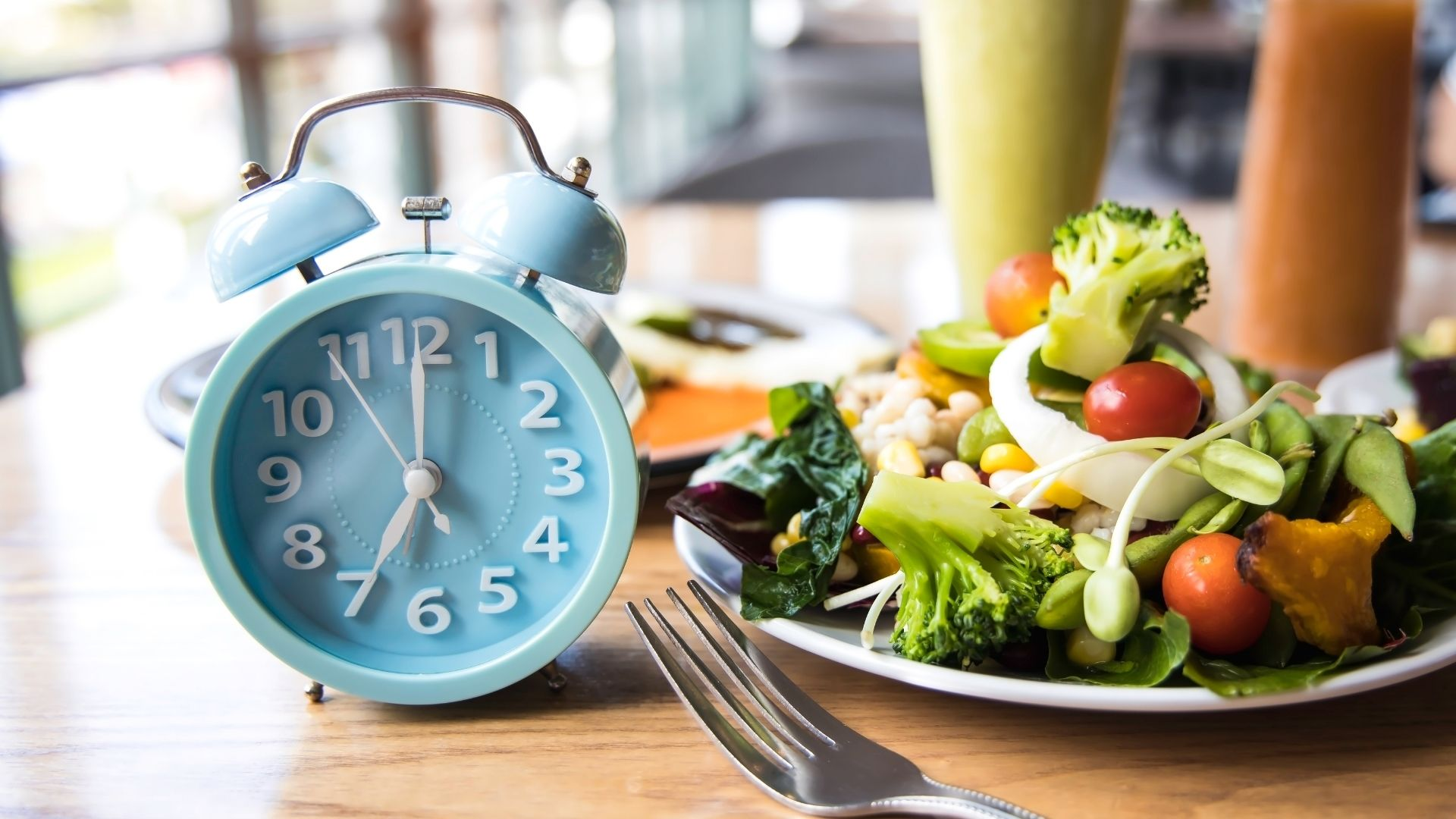
Between meals, the small intestine runs a slow sweeping wave that clears leftover debris along the tract. It works in the gaps, not during constant grazing. Leaving roughly three to four hours between meals, and closing the kitchen a few hours before bed, gives that wave room to run. The mechanism is well described, though how much it changes any one person’s symptoms varies.
Fewer eating events, same amount of food.During an acute bout
Feed a sick gut sooner than you think
The old advice during vomiting or diarrhea was to hold off on food. Randomized trials pointed the other way. Rehydrate first with fluids carrying salt and a little sugar, then return to normal food as soon as you can keep it down. Bananas, rice, applesauce, and toast are fine for a day, but as a plan for a week they are too low in protein and fat.
Fluids first, real food soon after.The honest limit
Fasting is a tool, not a repair
The cells lining your small intestine replace themselves roughly every three to five days, and they need a steady nutrient supply to do it. Complete bowel rest was once tried as a treatment in inflammatory bowel disease and did not deliver. A twelve hour overnight gap is a reasonable habit. Long fasts undertaken to heal a gut are not supported.
Overnight, yes. Days, no.Part Three
Eating while things calm down
Food will not repair a diagnosis. It does change how your gut behaves day to day, and several of those effects have been measured in real trials rather than assumed. Match the approach to the symptom you actually have.
Bloating
Lower the fermentable load, briefly
Bloating largely tracks with how much fermentable carbohydrate reaches your colon, where bacteria turn it into gas. A structured low FODMAP trial is the most tested way to find out whether that is your driver. Run it for two to six weeks, no longer. This is a diagnostic step, not a way of eating, and the foods it removes include many that feed helpful bacteria.
Short, structured, always followed by adding food back.Constipation
Three foods with real trial evidence
In a randomized comparison in adults with chronic constipation, two green kiwifruit daily, 100 grams of prunes, or 12 grams of psyllium each increased complete bowel movements over four weeks. Kiwifruit also improved straining and bloating scores. Prunes can add gas, since they carry sorbitol. Drink more water alongside any of them and build the amount up over a week or two.
Pick one, give it four weeks, then judge.Loose stools
Add form, replace what you lost
Soluble fiber holds water and gives stool shape. Psyllium, oats, and the mucilage in okra are easy sources, and ground flaxseed does similar work. Replace fluid with something carrying sodium and potassium rather than plain water alone. Coconut water and a light broth are simple South Florida answers. Ease off alcohol, heavy caffeine, and sugar alcohols while things are unsettled.
Soluble fiber in, sugar alcohols out.Part Four
What quietly works against you
Half of this job is what you add. The other half is what you stop doing without realizing it is part of the problem.
Pacing
Fiber raised too fast
Going from very little fiber to a great deal in a single day reliably produces gas and cramping, which people then read as proof that vegetables are the problem. Raise it gradually and keep fluid up alongside it.
The vegetables were never the issue.Duration
Staying restricted too long
Restriction is where most people get stuck. Months of narrow eating reduces variety, makes social meals harder, and can leave you more reactive when foods come back. The goal is the widest diet you can eat comfortably, not the smallest.
Widest comfortable, not smallest safe.Everything else
The parts that are not food
Short sleep, unmanaged stress, heavy alcohol use, and long stretches without moving all show up in digestion. Ask your doctor about your medications too, since regular use of some common pain relievers can irritate the lining.
Your gut keeps score of the whole week.Part Five
Adding foods back
Elimination tells you that something helped. Reintroduction tells you what. This is the step people skip, and it is the one that decides whether you end up with an answer or just a shorter list of foods.
Once symptoms have settled, bring back one food group at a time while the rest of your eating stays steady. Give each one a few days and wait until you are back at baseline before testing the next. Most people need six to eight weeks to work through the full set, and tolerance shifts over time, so a food that bothered you this spring is worth retesting in a few months.
Days 1 to 3
Test one group at a time, never two
Start small and build to a normal portion across the three days. Testing two groups together tells you nothing, because a reaction cannot be assigned to either one.
Days 4 to 5
Return to baseline before the next test
Go back to the settled way of eating until symptoms are quiet again. Stacking one test on top of the tail of another is the fastest way to produce a false positive.
Every test
Record amount, timing, and what followed
How much, how long after, and how bad. Written down at the time, not reconstructed later. Memory quietly edits this kind of thing toward whatever you already suspected.
In 3 to 6 months
Retest anything that failed
Keep everything that passed, permanently. Then come back to the failures later, because tolerance genuinely changes and a permanent avoid list built in one bad month tends to stay far longer than it should.
Sequence adapted from the reintroduction phase of the low FODMAP protocol, which is the best studied structured version of this process. Windows are typical rather than fixed, and a dietitian will tailor them.
Part Six
How long it takes
There is no single healing timeline, because three different things are healing at three different speeds. Expecting them all to move together is why people abandon an approach that was working.
Three clocks, running at once
Where each layer typically responds across a twelve week stretch
These bars mark position in time, not magnitude, so a longer bar means a slower clock rather than a bigger effect. Windows are drawn from the trials listed at the foot of this page.
Part Seven
How you will know it is working
The cheapest measurement available is also the most useful one, and some of the most expensive are worth nothing at all.
Measuring
Keep a plain diary
Date, what you ate, stool form scored on the Bristol scale, and a discomfort number from zero to ten. Two weeks of that tells you more than any panel, and it is the single most useful thing you can hand a clinician at your appointment.
Cheap, boring, and more informative than a test.Worth asking about
Tests that carry real weight
Celiac blood testing while still eating gluten. A blood count and iron studies. Fecal calprotectin, which helps separate irritable bowel syndrome from inflammatory bowel disease. Breath testing for lactose or fructose when the story fits. Stool testing after travel or a suspected infection.
Ask which of these your history actually calls for.Worth skipping
Tests that cost you money and food
IgG food sensitivity panels are not clinically validated, and allergy societies across several countries advise against them. IgG reflects exposure to a food, not intolerance of it. Direct to consumer microbiome reports have the same problem, since there is still no regulatory approved clinical microbiome test.
A long avoid list is a cost, not an answer.Part Eight
About what this can and cannot do
Worth saying plainly
About leaky gut, bone broth, and resets
Increased intestinal permeability is real and can be measured in a research setting. Leaky gut syndrome as a standalone diagnosis is a different claim, and it is not recognized by major medical bodies. Where permeability does show up, in celiac disease and Crohn’s disease for example, it looks more like a feature of the illness than its root cause. That distinction matters, because the label often lands on symptoms that would have turned out to be something treatable.
Bone broth sits in the same honest middle. It is warm, hydrating, and rich in glycine and glutamine, and the proposed mechanism is reasonable. Human trials have not shown that it repairs a gut lining, and a pooled analysis of glutamine trials found no meaningful overall change in intestinal permeability at ordinary doses. Drink it because it comforts you and adds fluid and protein to a hard week. Do not build a recovery plan on it.
The same goes for the word reset. Nothing about digestion works like a switch, and nothing here replaces care from your doctor or a registered dietitian if you are managing a diagnosed condition. What actually moves the needle is unglamorous and repeatable: enough fluid, enough fiber added at a sane pace, regular meals with real gaps between them, sleep, movement, and a diet that gets wider over time rather than narrower.
Food is the first medicine.
Get fresh whole nutritionSources
- StatPearls, NCBI · Bowel perforation
- Cochrane · Reintroducing a normal diet following acute diarrhoea
- American College of Gastroenterology · Kiwifruit, psyllium, and prunes for chronic constipation
- American College of Gastroenterology · Reintroducing foods after a restrictive low FODMAP diet
- Monash University · The three phases of the low FODMAP diet
- American Gastroenterological Association · Guideline on the evaluation of chronic diarrhea
- Cell · Gut microbiota targeted diets modulate human immune status
- Cleveland Clinic · Leaky gut syndrome
- Academy of Nutrition and Dietetics · Are food sensitivity tests accurate