Easy Eats Article
The Plate Pairing GuideWhat actually works together, and what only sounds like it does
Most foods do their job on their own. A few do more when they arrive together, because one unlocks something in the other. Here are six pairings with real absorption research behind them, the handful of combinations that work against you, and what South Florida is growing right now.
Part One
Absorbed is not the same as eaten
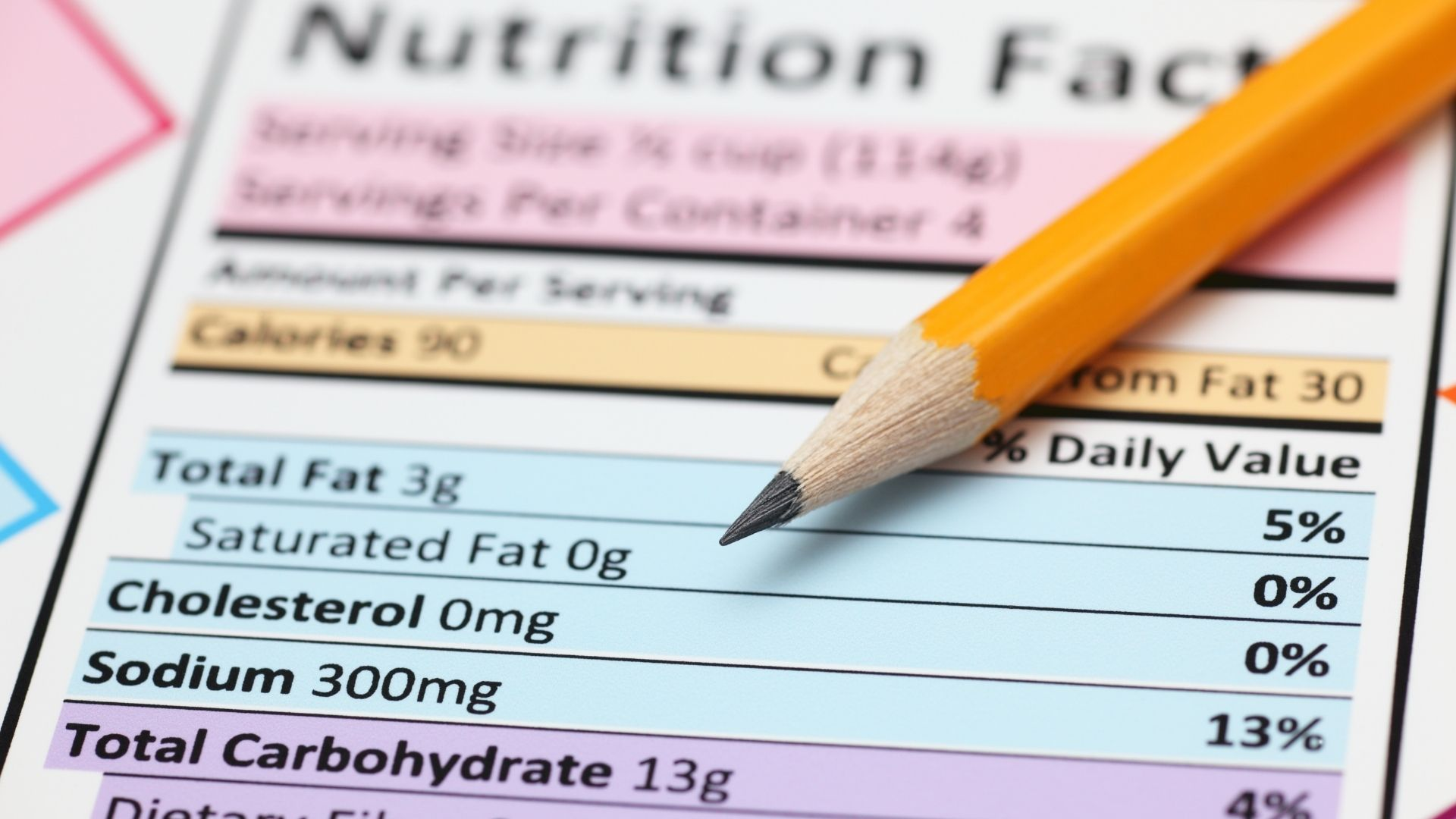
There is a number on the back of every package telling you what is in the food. There is no number telling you how much of it makes it into you. The gap between those two figures is where cooking actually lives.
Think of a meal as a series of handoffs rather than a list of contents. Iron in a spinach leaf has to be converted into a form your gut can take up. Beta carotene in a carrot has to hitch a ride on fat to cross the intestinal wall. Lycopene sits locked inside tomato cell walls until something breaks them open. Each handoff can go through or fail, and a nutrient that fails its handoff may as well not have been on the plate.
This is good news, because the fixes are small. A squeeze of lemon. A spoonful of olive oil. Ten minutes on the cutting board. None of it requires a new shopping list, and none of it is the kind of rule that makes eating harder.
Part Two
Six pairings that earn their place
Each of these has been measured in people, not just proposed. Where the research has a limit worth knowing, it is named alongside the pairing rather than buried.
Leafy greens with citrus
The iron in spinach, kale, and collards is the plant form, which your body absorbs poorly on its own. Vitamin C in the same meal converts it into a form you can take up and shields it from the compounds in grains and legumes that would otherwise bind it. In single meal isotope studies, 50 milligrams of vitamin C roughly tripled absorption. A squeeze of lemon over sauteed greens is doing real chemistry, not just seasoning.
Same meal, not same dayOrange and red vegetables with a healthy fat
Beta carotene, lycopene, and lutein are fat soluble. Without fat in the same meal, most of it passes straight through. When researchers added avocado to a salad and to salsa, absorption of lutein, alpha carotene, and beta carotene rose sharply against the same meals eaten without it. Avocado, olive oil, or a spoonful of seeds turns a colorful salad into a nourishing one.
Fat soluble nutrients need fat to travelTurmeric with black pepper
Curcumin, the active compound in turmeric, is cleared from the body almost as fast as it arrives. Piperine in black pepper slows that clearance, which is why traditional cooking has paired them for centuries and why supplements pair them now. Worth knowing the ceiling: even with pepper, the amount of curcumin reaching your bloodstream stays low, so treat this as getting more out of a spice rather than as a dose of anything.
A pinch of pepper is all it takesTomatoes cooked, with oil in the pan
Gentle heat breaks down the cell walls that hold lycopene in a crystalline form, and tomato paste delivers roughly two and a half times more lycopene to the blood than the same dose of fresh tomatoes. The part usually left out is that heat alone does not finish the job. Cooking without fat present produced no meaningful gain in absorption. The oil is not optional, it is the second half of the mechanism.
One of the few times cooking beats rawGarlic chopped, then rested
An intact clove contains no allicin at all. Crushing garlic releases an enzyme that starts producing it, and heat destroys that enzyme within about a minute. Chop your garlic first, let it sit while you prep everything else, then cook it. The chemistry here is settled. The health benefits attached to it come mostly from animal studies, so treat the ten minute habit as a cheap way to keep more of the compound rather than as a proven outcome.
Ten minutes on the board changes the resultBeans with whole grains
Beans and grains have opposite gaps in their amino acids, and together they cover the full set. Rice and peas, hummus and pita, lentils and rice. You do not need them in the same bite, only across the same day, but the same bowl tastes better anyway.
Complete protein, no meat requiredPart Three
And three that work against you
The same research that shows what helps also shows what competes. None of these mean giving anything up. They are about timing, and only matter if your iron runs low.
Timing
Coffee and tea with the meal
The polyphenols that make tea and coffee worth drinking also bind plant iron in the gut and cut absorption substantially. Nothing here says stop. It says move the cup an hour either side of an iron heavy meal rather than drinking it alongside.
Between meals, not with them.Competition
Calcium in the same sitting
Calcium is the one inhibitor that competes with iron in both its plant and animal forms. A calcium supplement or a large glass of milk taken with a lentil dish will reduce what you take up from it. Separate them and you lose nothing.
Both are good. Just not simultaneously.Perspective
Any single rule, taken too seriously
Across a varied diet these effects largely cancel out, and for most people with adequate iron they change very little. Treat all of this as worth doing when it is easy and not worth anxiety when it is not.
Useful, not urgent.Part Four
Five families worth knowing
You do not need to memorize a taxonomy. You need to recognize what each food is bringing to the plate, so you can see what is missing. A balanced meal usually draws from three or four of these.
Family 01
Leaves and stems
Spinach, kale, collards, chard, romaine, cabbage, celery, bok choy, watercress, parsley, callaloo.
Volume and minerals for very few calories. Fill half the plate.Family 02
Fruiting and flowering vegetables
Tomato, cucumber, zucchini, eggplant, okra, peppers, broccoli, cauliflower, green beans, asparagus, mushrooms.
Color, fiber, and the protective compounds that come with it.Family 03
Starches and grains
Sweet potato, boniato, malanga, plantain, winter squash, corn, green peas, brown rice, oats, quinoa, beans, lentils.
Steady energy. Beans and lentils count here and as protein.Family 04
Fats and proteins
Avocado, olives, coconut, almonds, walnuts, pecans, cashews, pumpkin seeds, sunflower seeds, chia, flax, hemp, tofu, tempeh.
Satiety and absorption. A small handful does the work.Family 05
Fruit
Mango, papaya, banana, berries, citrus, guava, lychee, melon, apple, pear, stone fruit, dates, figs.
Sweetness with fiber attached. Best paired with a fat or protein.Part Five
What South Florida is actually growing
Most seasonal charts are written for the north, which is why they tell you produce peaks in July. Ours runs the other way. The heaviest local harvest here arrives when the rest of the country slows down, and that is the one advantage a national meal plan cannot copy.
October to May
The cool season
- Leafy greens Dec to Apr
- Tomatoes Oct to Jun
- Peppers Oct to Jun
- Broccoli and cabbage Nov to Apr
- Cucumber and squash Oct to Jun
- Green beans Oct to May
- Strawberries Dec to Mar
- Citrus Oct to Jun
- Sweet corn Oct to Jun
- Radish and beets Nov to Apr
June to September
The warm season
- Mango May to Sep
- Avocado Jun to Feb
- Lychee May to Jul
- Okra May to Oct
- Eggplant May to Oct
- Sweet potato and boniato Jun to Nov
- Papaya All year
- Guava Jun to Oct
- Starfruit Jun to Feb
- Callaloo and hot peppers May to Oct
Windows are typical for Broward and Miami Dade and shift with weather, and greenhouse growing puts some items on shelves outside their field season. Built from the Florida Department of Agriculture availability calendar and University of Florida extension guidance. If a market stall does not say local, ask.
Part Six
Building a plate without thinking about it
Four habits carry almost all of the value above. None of them add a step to your cooking, they only change the order you already do things in.
Habit one
Chop the garlic first
Make it the first thing on the board rather than the last. By the time the pan is hot and everything else is prepped, the ten minutes has passed on its own and you never had to wait for it.
Habit two
Put an acid and a fat on the counter
A lemon and a bottle of olive oil within arm’s reach covers two of the six pairings without any decision at the moment of cooking. Most missed pairings are missed because the ingredient was in a cupboard.
Habit three
Count families, not nutrients
Look at the plate and ask how many of the five families are on it. Three or four means you are fine. One or two tells you what to add faster than any label could.
Habit four
Shop the season, then pair it
Start from what is actually growing here this month, then apply the pairings to whatever came home. Local greens in December with a squeeze of citrus is the whole guide in one plate, and both were in season together for a reason.
These are practice habits rather than research findings. They are the way the evidence above turns into something you can do on a Tuesday.
Part Seven
About the older combining rules
Worth saying plainly
You can eat fruit with your breakfast
You may have seen charts that forbid mixing proteins with starches, or insist melon be eaten alone. That system dates to the early 1900s and rests on the idea that your stomach can only do one thing at a time. It cannot be squared with how digestion actually works. Your body releases the full set of enzymes at once, and nearly every whole food is already a mix of protein, starch, and fat. Beans are both. Oats are both. So is the almond. When the approach was finally tested against a balanced diet at matched calories, it produced no additional loss of weight or body fat.
The same charts often label foods as acid forming or alkaline forming. Your blood pH does not move with your lunch. Your kidneys and lungs hold it in a narrow band no matter what you eat, and a systematic review looking specifically for harm to bone from dietary acid load did not find a causal link.
One more limit, this time on the pairings in this guide rather than against them. Most of the absorption research uses single test meals in fasted people, which is the cleanest way to measure an effect and also the way to make it look largest. Across a whole week of varied eating, enhancers and inhibitors tend to offset each other, and for most people with adequate iron the practical difference is modest. That is not a reason to skip the lemon. It is a reason not to build anxiety on top of it.
Some people genuinely feel better spacing certain foods, and melon on an empty stomach does sit lighter for many of us. That is worth honoring as personal experience rather than a universal rule. If a pattern helps you, keep it. If a rule is only adding stress to your morning, you have our permission to let it go.
Food is the first medicine.
Get your free 3 day planSources
- NIH Office of Dietary Supplements · Iron, health professional fact sheet
- American Journal of Clinical Nutrition · Effect of ascorbic acid intake on nonheme iron absorption from a complete diet
- Journal of Nutrition · Carotenoid absorption from salad and salsa is enhanced by avocado
- American Journal of Clinical Nutrition · Lycopene is more bioavailable from tomato paste than from fresh tomatoes
- Journal of Nutrition · The influence of heating on the anticancer properties of garlic
- International Journal of Obesity · Similar weight loss with low energy food combining or balanced diets
- Nutrition Journal · Causal assessment of dietary acid load and bone disease
- Florida Department of Agriculture · Crops in season and the seasonal availability chart
- University of Florida IFAS · Vegetable gardens by season